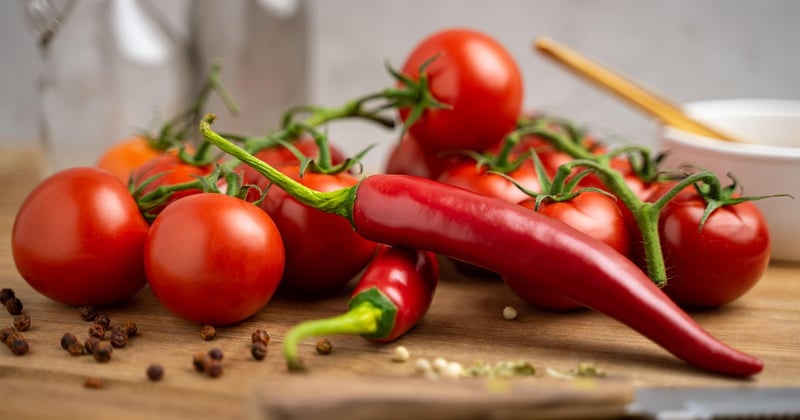
Walk into any supermarket and you'll find a wall of little glass jars, each one promising to change your cooking. Most of them won't. I learned that the expensive way — a cupboard full of half-used spices I'd bought for a single recipe, then watched turn to dust. Literally: ground spices don't "expire" so much as fade, slowly and quietly, until the paprika you're sprinkling is basically red sawdust.
So let's talk about what actually earns shelf space. This is my working guide to the essential spices every pantry needs — not thirty bottles of aspiration, but the handful that do real work in everyday cooking, plus the buying and storage decisions that keep them alive. Because the difference between a spice that transforms a dish and one that does nothing usually isn't the spice. It's how fresh it was when you opened the jar.
Key takeaways
- Eight to ten well-chosen spices cover the vast majority of everyday cooking — you don't need a full rack.
- Whole spices keep their punch far longer than ground ones; buy ground in small quantities.
- Buying big bags and decanting into small jars saves money and keeps the stuff you use fresh.
- Smell before you buy, and smell again before you cook. Your nose is a better freshness test than any date on the label.
- Heat and light ruin spices faster than time does.
- A starter set of eight spices costs less than a single takeaway dinner for two.
The essential spices every pantry needs (and why this short list works)
Here's my honest position: most spice lists online are aspirational. They include things you'll use twice a year, and they never tell you where the real cost and clutter come from. The core set below is built around one question — what do I reach for weekly?
The eight that earn their spot
Black pepper, cumin, smoked paprika, chili flakes or powder, cinnamon, oregano, coriander seed, and turmeric. That's the spine of my kitchen. Everything else — cardamom, star anise, fennel, saffron if you're feeling flush — is a variation, not a foundation. You can cook an enormous range of food with those eight, and you can add the rest as specific dishes demand them.
What makes them work isn't just flavour. It's coverage. Cumin and coriander underpin Middle Eastern, Indian, Mexican and North African cooking. Smoked paprika does the heavy lifting in Spanish and Eastern European dishes and adds depth to anything braised. Cinnamon goes sweet and savoury. Oregano is the Mediterranean default. Turmeric brings colour and earthiness to rice, lentils and stews.
Whole versus ground: the distinction that matters most
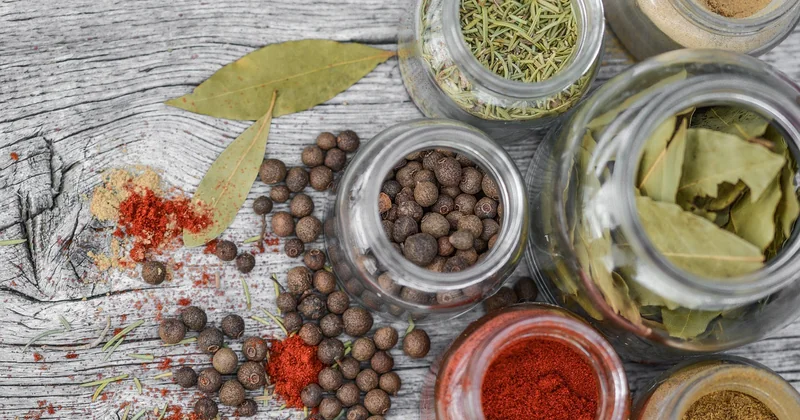
Whole spices — seeds, peppercorns, cinnamon sticks, cloves — hold their oils for a long time. Ground spices expose far more surface area to air, and that's where the aromatics go. A whole cumin seed can sit in a sealed jar for a year or more and still smell like cumin. The ground version might be noticeably dull after six months.
My rule: buy whole when you can, grind when you need, and accept that ground spice is a convenience you'll pay for in frequent restocking. A cheap coffee grinder dedicated to spices changed my cooking more than any single jar I've bought.
What format and quantity should you actually buy?
This is the part nobody tells you, and it's where most pantries quietly fail. Buying the supermarket's big jar "for value" is a false economy if you use a teaspoon a month. Here's a practical table I keep coming back to:
| Spice | Buy it as | Realistic usable life | Where to spend vs. save |
|---|---|---|---|
| Black pepper | Whole peppercorns, small jar | 1–2 years whole | Worth buying good quality |
| Cumin | Whole seed, medium bag | 1 year+ whole, ~6 months ground | Cheap; buy in bulk |
| Smoked paprika | Ground, small jar | 4–6 months | Buy small, restock often |
| Chili flakes | Whole flakes, medium jar | ~1 year | Cheap; buy freely |
| Cinnamon | Sticks, plus a small ground jar | Sticks 2 years; ground ~6 months | Sticks save money long-term |
| Oregano | Dried leaves, small bag | ~6–9 months | Cheap; don't overbuy |
| Coriander seed | Whole seed | 1 year+ | Cheap; grind as needed |
| Turmeric | Ground, small jar | ~6 months for real flavour | Buy small |
The decanting strategy that saves money
Here's the trick that fixed my cupboard: buy the spices you use constantly in larger, cheap bags — cumin, coriander, chili flakes — and keep a small jar on the counter that you refill from the bag. The big bag stays sealed and dark in a cupboard; the working jar takes the daily air exposure. I've kept cumin genuinely aromatic for a full year this way, where a supermarket jar would have been dead by month six.
For anything you use rarely, do the opposite: buy the smallest jar you can find. Yes, the per-gram price is higher. You'll still spend less than you would on a big jar you throw away half of.
How do you keep spices from dying in the cupboard?
Heat, light and moisture are the enemies. Three things that made a measurable difference in my kitchen:
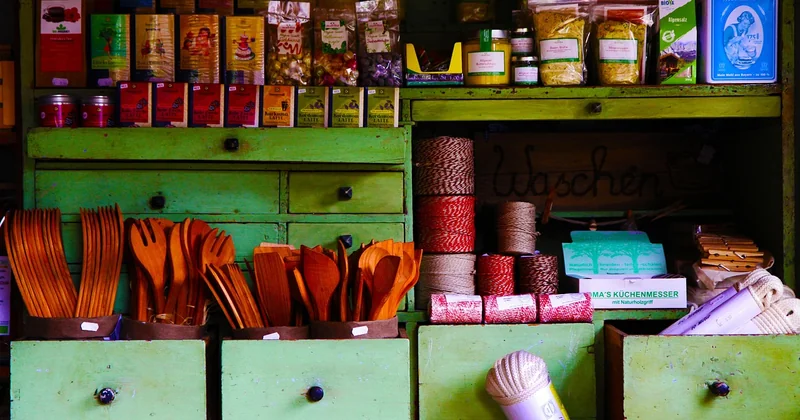
- Move spices away from the hob. The cupboard directly above the stove is the worst place in the kitchen — constant heat cycles cook the aromatics right out of the jar.
- Use airtight containers, not the flimsy packets. A clip-top jar or a proper screw lid keeps the oils in.
- Label with the month you opened it. I write "Sept" on the lid in marker. It's the single most useful piece of kitchen admin I do.
The smell test beats any date
Dates on spice jars are a rough guide at best — they usually reflect a sell-by, not a flavour-by. The real test is your nose. Crush a pinch between your fingers and smell it. If it's assertive, keep it. If you have to hunt for the aroma, it's not coming back — and no amount of it in the pan will fix a bland dish.
I'll admit I ignored this for years. I'd cook a curry, wonder why it tasted flat, then add more of the same tired spice. That's the trap: old spices don't just fail to add flavour, they cost you money twice — once at the till, once in the pan.
Building a starter set without overspending
If you're setting up a pantry from scratch, don't buy a pre-made "spice rack" kit. They're padded with things you won't use. Instead, buy the eight core spices, in the formats from the table above, and add the rest one recipe at a time.
That's genuinely it — a starter set built this way costs less than a single takeaway for two, and it's tailored to what you actually cook. Buy small for the ones you'll use monthly, buy whole where you can, and let your nose decide what stays.
The cupboard full of dusty jars I started with taught me something I now apply everywhere: the goal isn't a well-stocked shelf. It's a shelf where every jar is doing its job. The next time you reach for paprika and it smells like nothing, that's not a failure — that's the system telling you it's time to restock. And honestly? That's the best spice guide there is.