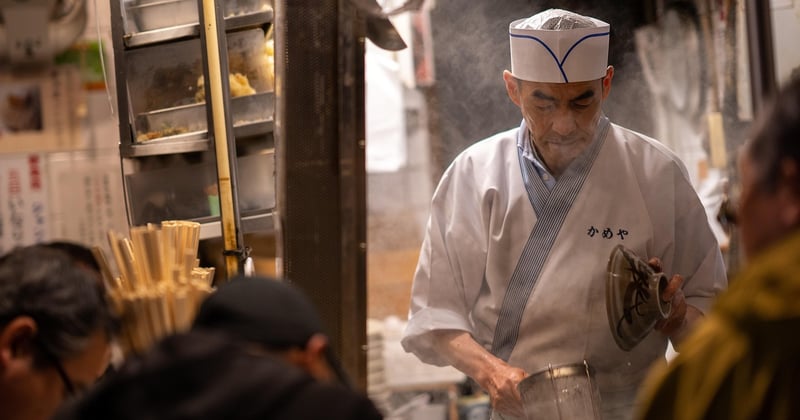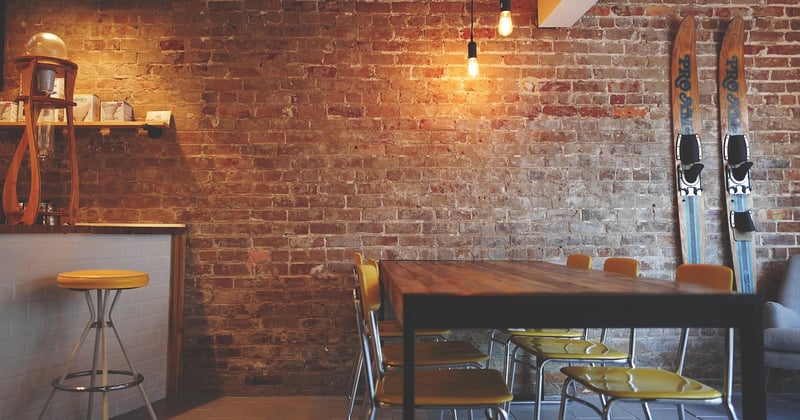
You walk past it twice before you notice it. No sign worth the name, a chalkboard menu with two items crossed out, and a queue of about six people who all seem to know each other. That place, not the one with the neon and the twenty-minute wait, is what this article is about.
Finding a genuine hidden gem eatery in every city you visit is not a matter of luck. It is a method, and the method is learnable. Most travelers get this wrong because they optimize for the wrong signal: they look for the best restaurant, when they should be looking for the restaurant that locals protect. Those are different things, and the gap between them is where all the disappointment lives.
Key Takeaways
- The tell is the queue, not the review count. A short, chatty, repeat-customer line is worth more than 4,000 reviews.
- Distance matters more than ratings. Two blocks off the main drag changes the customer base more than a full star of rating.
- Ask for food, not for a place. "Where do you eat on your day off?" works. "Where should I eat?" gets you a tourist answer.
- Price inconsistency is a green flag. A place charging $9 for one dish and $28 for another is usually a place that cooks what it wants.
- The best gems don't scale. If it has a second location, the first one is already a different restaurant.
How to spot hidden gem eateries locals love in any city
The word "hidden" gets abused. A place with an hour-long wait and a viral video is not hidden; it is famous with a rustic aesthetic. A real gem has three properties at once: it is physically easy to miss, it is economically viable without tourism, and its regulars would be mildly annoyed if you told the internet about it.
That third one is the honest test. I have eaten in places where the owner visibly brightened when a stranger walked in, and places where the room went quiet for a second. Both can be good. Only one is a hidden gem.
The geography of a gem
Distance from the tourist core is the single most reliable variable I know of. In practice, in most European and North American cities, the shift happens somewhere between 400 and 900 meters from the main pedestrian artery. Walk that far in any direction and the menu language changes, the prices drop by roughly a quarter, and the customers stop carrying backpacks.
Look for side streets with a school, a hardware store, or a laundromat. Those three businesses tell you the block serves residents rather than visitors. A restaurant on that block is cooking for repeat traffic. That is the whole trick, and it is not much of a secret.
Reading the signals in sixty seconds
You can evaluate a candidate from the doorway without sitting down. Here is the checklist I actually use, in order:
- Handwritten anything — a chalkboard, a photocopied menu, a strip of paper taped to the glass. Printed laminate with photos means a marketing decision was made.
- Fewer than eight tables or a counter with stools. Small rooms can't absorb a wave of tourists, so they don't court them.
- Are people eating alone? Solo diners signal comfort and low pretension.
- The menu is short and slightly repetitive. A kitchen doing forty dishes is reheating; a kitchen doing twelve is cooking.
- Does the staff speak the local language to the regulars and switch for you without ceremony?
None of these are decisive on their own. Together they are right far more often than they are wrong.
Why review platforms misrank local favorites
Google Maps and its competitors are not lying to you. They are answering a different question than the one you are asking. Their ranking rewards volume, recency, and photo uploads — all of which correlate with tourism, not with quality.
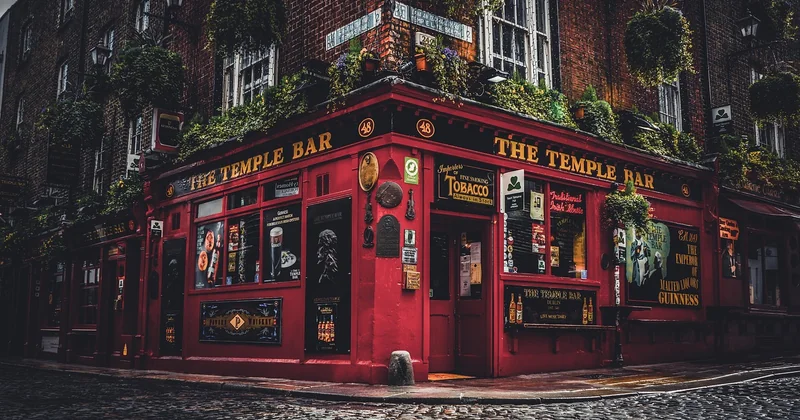
Here's the thing: a restaurant with 3,800 reviews and a 4.4 is a restaurant that has been optimized, deliberately or not, for people passing through. A restaurant with 180 reviews at 4.7 and a wall of one-line comments in the local language is a restaurant that has been reviewed by its own neighborhood. Statistically, the second one is where you want to eat.
I learned this the expensive way. A few years back, in a city I won't name because the restaurant is still there and still excellent, I walked past a tiny place with no reviews at all and a nearly empty room at 8 p.m. — and chose the busy, well-rated option two streets over. The well-rated meal was fine. Memorably fine. The next morning I mentioned the empty place to the woman running my guesthouse, and she looked at me like I'd confessed to something. It was her family's. I still think about it.
The review ratio trick
When you do use a platform, sort by newest rather than by "most relevant," and read the one-star reviews first. That sounds backwards. It isn't. In a genuine local spot, complaints tend to be about irrelevant things — "no English menu," "closed on a Tuesday in August," "owner was short with us." Those are not quality problems. In a tourist trap, one-star reviews are about the food, the bill, or both.
What to do when there is no listing at all
Some of the best places in any city have a thin digital footprint or none worth reading. You find them the old way: on foot, at the right hour. Between 11:45 and 12:15, walk the residential streets and watch where people in work clothes are heading. Lunch is a more honest meal than dinner, because lunch customers are spending their own money on a weekday and they choose on value. Follow them. Eat whatever the table next to you is eating, and ask for it by pointing if the menu defeats you.
How to ask locals without getting tourist answers
Asking "where should I eat?" is a social trap. The person wants to be helpful, so they name the place they think a visitor wants. You get a recommendation for the restaurant their cousin's wedding was at, not the restaurant they eat at on a Wednesday.
Change the question. Four rewrites that work, in my experience, roughly in order of effectiveness:
- "Where do you eat when you can't be bothered to cook?"
- "What's the place you'd be annoyed to lose?"
- "If you had one hour and ten euros, where would you go right now?"
- "Where do people from this street eat?"
The fourth one is my favorite because it excludes the answer-giver's ego. It's about the street, not about them, so they stop performing taste and start reporting fact.
Who to ask
Not the hotel concierge — their list is a business relationship. Ask the person who cuts your hair, the pharmacist, the guy at the newspaper kiosk, the barista at the place you've been to twice. Two visits is the threshold; before that you're a stranger, after that you're a customer they'll talk to honestly.
And ask one more question after they answer: "What do you order there?" The answer tells you whether they've actually eaten there or are just naming a place. Anyone who eats somewhere regularly has a dish.
Is it worth using Reddit and local forums?
Yes, with a caveat that matters. City subreddits are excellent repositories of old knowledge and terrible at freshness. A thread from years ago recommending a neighborhood institution may send you to a closed door. Search within the subreddit, sort by newest, and cross-check the recommended name against a map listing's recent activity before you walk there. Ten seconds of checking saves a wasted afternoon.
The real gold in those threads is not the names. It is the vocabulary — the phrase locals use for the kind of place you're looking for. Once you know the word, you can search for it directly anywhere in the city.
Hidden gem eateries locals love in every city: what the categories actually cost you
The type of hidden gem matters, because each one trades something different. Here is how I'd weigh the main categories when planning a trip.
| Category | Typical price level | What you gain | What you sacrifice |
|---|---|---|---|
| Neighborhood lunch counter | Low | Honest food, fast, high repeat rate | Closes mid-afternoon; no evening service |
| Family-run dinner spot | Medium | Depth of one cuisine, seasonal menu | Limited hours, often booked by regulars |
| Market stall or takeaway window | Very low | Peak local density, no tourist margin | Nowhere to sit; weather-dependent |
| Old institution with a faded room | Medium to high | Dishes nobody else bothers making anymore | Service can be brusque; decor does no work |
| Bar that happens to cook | Low to medium | Best conversation, latest hours | Menu changes nightly; you may not get a table |
My own preference, if you want it: the lunch counter. It has the highest hit rate and the lowest cost of being wrong. A disappointing €11 lunch costs you an hour. A disappointing €70 dinner costs you an evening and a mood.
The second location problem
When a gem becomes known, it usually expands, and expansion is where the cooking changes — different kitchen, different line cooks, a menu standardized just enough to run two rooms. This is not a moral failing on anyone's part. It's arithmetic. Treat a second location as informational: the original is now a different restaurant with a longer queue, and you should adjust your expectations rather than your plans.
The etiquette of finding a place worth protecting
You found it. Small room, good food, a cook who remembers your order on day three. Now what?
Pay in cash when it's easy. Book ahead if you can, even for two. Don't film the staff without asking, and don't post the address alongside a claim that it's "the best kept secret in the city," because that sentence is a contradiction and everyone reading it knows. If the place has no English menu and no interest in acquiring one, order by pointing at a neighbor's plate and say thank you. That's the whole protocol.
The thing I keep coming back to is this: a hidden gem is not a place that hasn't been found. It's a place whose economics don't depend on being found. That's why it survived long enough to be good, and it's the only reason it will still be there when you go back. Choose those places. Eat there twice. Tell one person, quietly, and let them work out the rest.