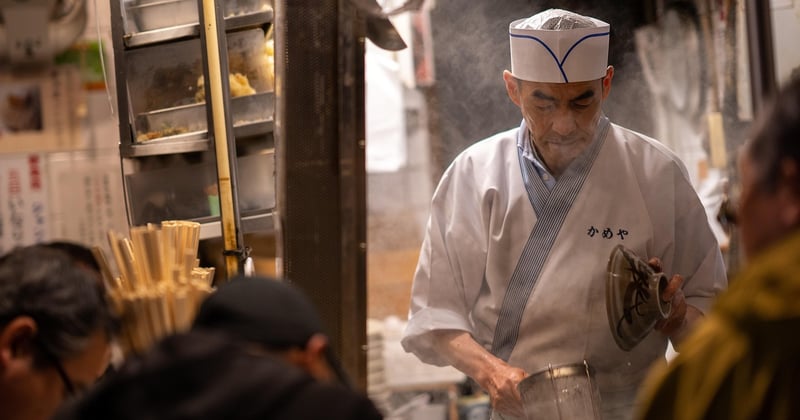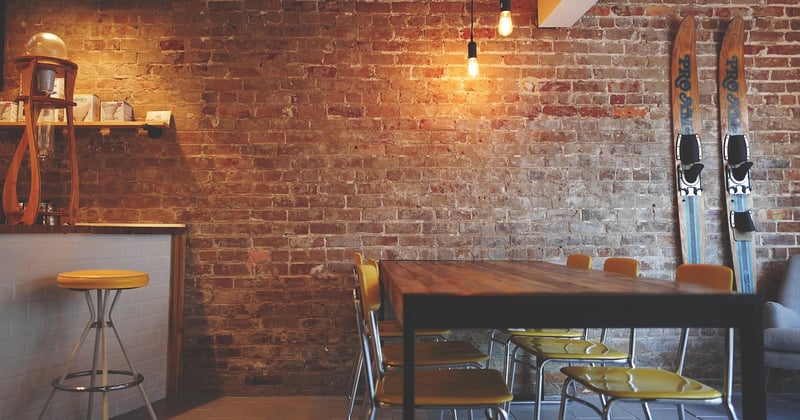
You walk into a bistro on a Tuesday. There are six people at the bar, the chalkboard is half erased, and the person behind the counter says "the lamb's off, but the fish is good." That last sentence tells you more about the place than any online review ever will.
Choosing a neighborhood bistro is a different exercise from choosing a restaurant for a birthday dinner. The neighborhood bistro is the one you'll come back to on a rainy Wednesday because it's four minutes from your door, because the wine by the glass is honest, and because nobody asks you to photograph your plate. Below, the factors that actually matter when you're picking one — the ones I've learned by eating badly in many and well in a few, and by watching what separates a bistro people keep returning to from one that quietly empties out.
Key Takeaways
- A neighborhood bistro is defined by regulars, not by cuisine — a place that fills up on a Tuesday is telling you something.
- The chalkboard beats the printed menu. A short, changing carte means the kitchen is buying, not defrosting.
- Price per main course in the 15–25 range with a house wine under 8 by the glass is the sweet spot in most European cities.
- Look for locals at the bar during the week, not tourists on Saturday.
- Ask one question before ordering: what came in this morning?
What a neighborhood bistro really is — and why that changes how you judge it
The word has been stretched in every direction. In Paris it's a specific legal-ish genre; in London or Berlin it means "small French-ish place with wobbly tables." Strip away the branding and one constant remains: a bistro belongs to its street. It is the place where the same woman orders the same glass of white every Thursday and the cook remembers whether she takes it chilled.
Which means the criteria you'd use to judge a destination restaurant are the wrong ones. A three-star place is judged on ambition. A bistro is judged on consistency, comfort, and whether you'd bring your mother-in-law without fear.
What is a neighborhood restaurant?
A neighborhood restaurant is a place built for the people who live within walking distance of it — it plans its menu, its prices and its opening hours around a local, repeating clientele rather than around visitors. That single definition drives everything that follows: a neighborhood restaurant can afford to be slightly less flashy and slightly more dependable. Its business model is repetition. If it survives, it usually survives on regulars, and regulars don't come back for the Instagram lighting.
What is a neighborhood bar called?
Depending on where you are, the local bar goes by different names — the local, the corner pub, the bodega bar, le bar de quartier in French, das Viertel-Kiez in Berlin. In English the closest catch-all is simply "the local." The name matters less than the function: a place you enter alone and leave having spoken to someone. Many bistros double as this — if the one you're evaluating doesn't have a bar you'd be happy to sit at alone, it's only half a bistro.
Ten signals to check before you commit
Not all of these can be checked on the same visit. But most reveal themselves in the first ten minutes if you know where to look.
- A short menu — under fifteen items, generally a good sign. Long menus in small kitchens mean reheating.
- Something off the chalkboard that isn't on the printed carte. That's the cook telling you what's fresh.
- Bar seating that's occupied by people who look like they live nearby, especially on a weekday.
- A wine list with real glass options, not just a bucket list of expensive bottles.
- Prices on the plate glass window, legible from the street. Confidence.
- Staff who greet the table next to you by name. You've found a regulars' place.
- The bread. It costs them almost nothing and it's the first thing they choose to care about or not.
- Sensible opening hours — closed Sunday evening or Monday lunch means the owners take a day off, which means they aren't exhausted by Thursday.
- Room for a party of one without the theatrical sigh.
- A noise level where you can hear the person across from you without raising your voice — the difference between a bistro and a sound bath.
Five of those ten are things you can observe in under ninety seconds from the sidewalk. That's not an accident — you're not doing a deep audit, you're deciding whether to spend a hundred euros.
Reading the menu like someone who's been burned before
A menu is a confession. What it advertises, what it hides, and what it costs all say something about the kitchen behind it.
What are 10 factors to consider when planning a menu?
From the customer's side of the table, these ten planning factors are the ones you can actually spot — and they're the same ones a good owner thinks about: the season and what's actually available, the kitchen's capacity (a small kitchen cannot execute thirty dishes well), cost per ingredient, how long each plate takes to assemble during a rush, whether the menu matches the equipment, price anchoring against the neighborhood, dietary coverage, how many dishes a line cook can plate per hour, waste and storage, and — the one most menus fail — how the carte tells a story. A bistro that plans its menu around these comes out looking like a short list where every dish earns its place. A bistro that ignores them comes out looking like a laminated sheet with a bit of everything.
What to order at a bistro?
Order the dish the kitchen makes in volume and the dish that uses one ingredient well. In practice that usually means the daily special, a plate built on something seasonal, and the simplest preparation of the protein on offer — grilled, roasted, pan-fried, nothing stacking. Skip anything that requires multiple techniques to plate, unless you've seen it come out of the kitchen already. And ask for the wine by the glass from the region the food comes from; bistros tend to stock a local pour they're proud of and mark up the imported bottles harder.
Side-by-side: what distinguishes a bistro from a restaurant
| Criterion | Neighborhood bistro | General restaurant |
|---|---|---|
| Menu length | Short, changes weekly | Broad, stable for months |
| Primary customer | Repeat locals | Mixed — visitors and one-offs |
| Price sensitivity | Value per plate, not per experience | Ambition and setting priced in |
| Table turnover | Slow — regulars linger | Faster — often two seatings |
| Best time to judge | Weekday lunch, Tuesday/Wednesday | Friday or Saturday evening |
| Service style | Familiar, one person may do everything | Segmented, roles clear |
That last row isn't a criticism of either. But if you walk in expecting the polish of a restaurant in a bistro, you'll spend the meal disappointed by something that wasn't trying to be that.
The Tuesday test
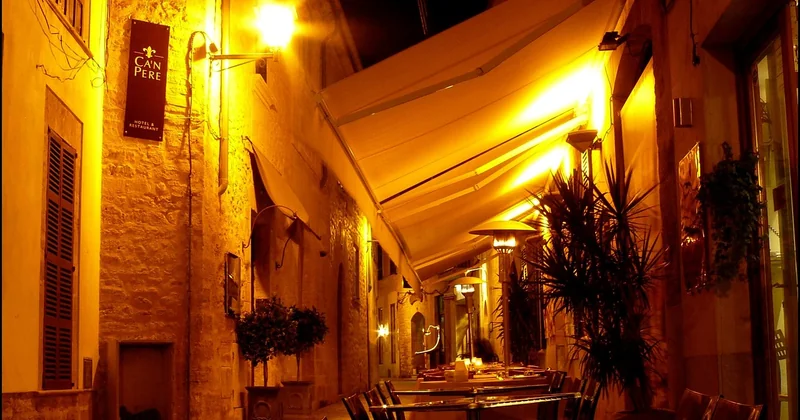
I'll be honest about the method that's served me best: I go on a Tuesday. Not because Tuesday is magic, but because on a Tuesday a restaurant cannot rely on the weekend crowd. If the room is half full on a Tuesday at 8 p.m. with people who look like they live upstairs, you've found a real one. If it's empty, no amount of Friday-night atmosphere will save it.
One exception worth knowing: some bistros are so small — a dozen tables, one cook, one server — that a Tuesday can look dead simply because the neighborhood is quiet that evening. In those cases, check the reservation book if they'll let you peek, or ask "what's your busiest night?" A good owner will tell you the truth. A bad one will lie about every night being full.
When to walk away
Three red flags I no longer argue with:
- The menu is laminated and the specials are printed, not written by hand.
- Nobody is at the bar and it's 7:45 p.m. on a Thursday.
- The wine list is a hardcover book and the cheapest bottle is four times the cheapest main course.
None of these are fatal on their own. All three together mean you're paying for the impression, not the cooking. And the fourth, quieter flag: the staff look surprised to see you. A neighborhood bistro that doesn't expect walk-ins on a weekday has stopped being one.
The verdict
Most people pick a bistro once and then keep going back for years without ever asking why. They know it works — the fish is good, the owner remembers their name, the bill doesn't sting. That's enough. You don't need a checklist to eat well. But if you're in a new neighborhood, or your usual place has changed hands, you do need to know what you're looking at. A short menu, a busy Tuesday, a chalkboard, a bar with someone sitting at it. Four signals, ninety seconds, one very good meal. That's the whole method.