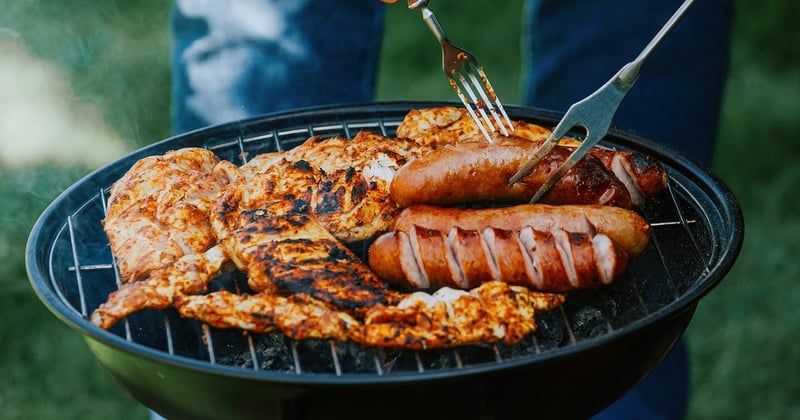
Your marinade is perfect. The meat has been sitting in it for a full day. You light the grill, slap the short ribs down, and ninety seconds later you're staring at blackened sugar crust while the inside is still raw. Sound familiar? It happened to me the first time I tried galbi at home, and I genuinely thought I'd ruined the meat. The problem wasn't the recipe. It was that I'd set up the grill like I was cooking burgers, with one heat level and no plan for what the sugar in my marinade would do over direct fire.
Korean barbecue is a cuisine built on contrast—char and sweetness, fat and acid, fire and freshness—and getting that contrast right at home comes down to a handful of decisions most recipes never explain. Below you'll find the marinades that actually earn their place, the grilling mechanics that keep the sugar from burning before the meat cooks through, and the timing rules I wish someone had given me when I started.
Key takeaways
- Marinade ratios matter more than ingredient lists: roughly 2 parts soy sauce, 1 part sweetener, 1 part aromatics plus a fat and an acid is a reliable baseline.
- Sugar burns before protein cooks. Use two heat zones and move meat constantly—direct fire for char, indirect for doneness.
- Marinade times vary wildly by protein: thin beef slices need 30 minutes; thick pork needs hours; chicken sits in between.
- Never reuse marinade that touched raw meat as a sauce—boil it hard for at least a full minute if you want to serve it.
- Asian pear (or kiwi, or apple) does real work as a tenderizer, not just a flavor note, because of its enzymes.
Korean barbecue marinades: the ratios that actually work
Most marinade recipes online are ingredient lists without proportions, which means you end up with a salty puddle or a syrup that caramelizes into charcoal. My rule, after a lot of trial and error, is a rough 2:1:1 structure—two parts soy sauce, one part sweetener, one part aromatics (grated garlic, ginger, scallion). Then you add fat (toasted sesame oil) and something acidic or fruity to balance.
The base structure
A workable bulgogi-style base for about 500g of sliced beef:
- 4 tbsp soy sauce
- 2 tbsp brown sugar or honey
- 2 tbsp grated Asian pear (or apple if pear isn't available)
- 1 tbsp toasted sesame oil
- 1 tbsp minced garlic
- 2 chopped scallions
- A few grinds of white pepper
You'll notice no salt. The soy sauce carries it. Adding salt on top of that is where most home cooks overshoot, and once the meat hits a hot grate the salt draws liquid out and you get steaming instead of searing. Resist the urge.
Gochujang marinade: for pork and chicken
Gochujang is fermented chili paste, and it behaves very differently from a dry spice rub. It's thick, slightly sweet, and it sticks to meat, which is great for pork belly and chicken thighs but terrible for delicate fish. My gochujang base:
- 3 tbsp gochujang
- 2 tbsp soy sauce
- 1 tbsp honey or corn syrup
- 1 tbsp sesame oil
- 1 tbsp grated garlic, 1 tsp grated ginger
- A splash of rice vinegar or mirin to loosen it
Two things to watch: gochujang already brings sugar, so if you're also adding honey, keep the honey modest or you'll get a sticky, fast-burning glaze. And gochujang clumps—whisk it with the liquid ingredients before it touches the meat, not after.
Quick marinade cheat sheet by protein
| Protein | Best base | Marinade time | Watch out for |
|---|---|---|---|
| Thin-sliced beef (bulgogi) | Soy + pear + sesame | 30–60 min | Over-tenderizing with too much pear |
| Pork belly / shoulder | Gochujang or soy + garlic | 2–6 hours | Sugar burning before the pork cooks through |
| Chicken thigh | Gochujang or soy + honey | 1–4 hours | Over-marinating dries out the surface |
| Short ribs (galbi) | Soy + pear + sesame | 4–8 hours | Bone-side charring first |
Grilling technique: why two heat zones beat one hot grill
The single biggest change I made was setting up two zones—one side screaming hot for color, one side cooler for cooking through. On a gas grill that means one burner high, one low. On charcoal, push the coals to one half and leave the other bare. Why does this matter so much for Korean marinades?
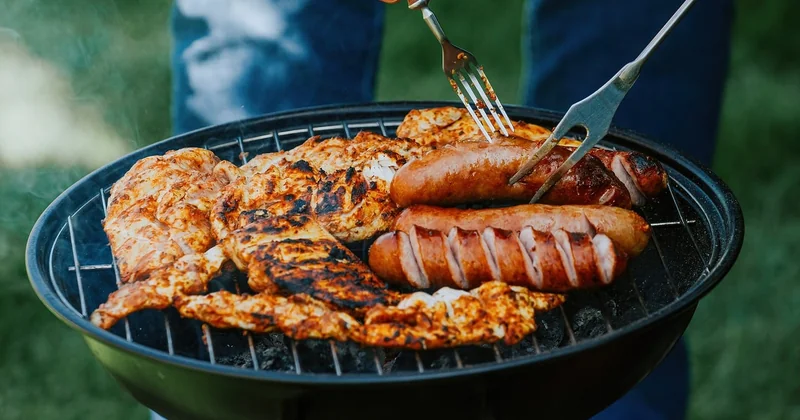
Because the sugar in your marinade will hit its burning point at a lower temperature than the meat reaches doneness. Honey and brown sugar start to scorch around 350°F. Thick pork needs to reach roughly 145°F internally. If your only heat zone is 500°F, the outside is charred to carbon while the inside is still cold. The two-zone method lets you sear for the crust, then slide the meat over to the cooler side to finish. Sound obvious? It is—but almost nobody explains it in a marinade recipe.
Temperature and timing
Here's a rough working guide based on what I've landed on:
- Thin beef: sear 30–60 seconds per side over direct heat, done.
- Pork belly: 2–3 minutes per side direct, then 5–8 minutes indirect.
- Chicken thigh: 3 minutes per side direct, then 6–10 minutes indirect to hit 165°F.
- Short ribs: 2 minutes per side direct, then 4–6 minutes indirect.
Timings shift with your grill, the thickness of the cut, and the weather. A windy day will drag your gas grill's temp down 50–80°F, so trust an instant-read thermometer over the clock.
Controlling flare-ups
Marinade drips onto coals or burners and starts fires. This is the number one reason home Korean BBQ goes wrong. Three practical fixes:
- Pat the meat mostly dry before grilling—less dripping sugar, fewer flames.
- Keep a spray bottle of water at the ready, and a spot with zero coals to move meat onto.
- Clean the grate between batches, not at the end.
Common marinade mistakes that ruin the meat
For a long time I marinated everything overnight. It seemed like more flavor meant more time. Wrong. Thin beef left in a pear-based marinade for 12 hours turns mushy—the enzymes break down the muscle past the point of texture. The pear is doing real work, and too much time means it does too much.
How long should you marinate Korean BBQ?
Thin-sliced beef is best in 30 to 60 minutes. Thick pork is fine at 2 to 6 hours. Chicken thigh at 1 to 4 hours. Short ribs can take 4 to 8 hours. Past 12 hours, most marinades start degrading texture, especially ones with fruit enzymes.
Can you reuse marinade?
No—not directly. It's touched raw meat. If you want to serve it as a sauce, pour it into a small pot and boil it hard for a full minute before serving. Any leftover marinade that hasn't touched meat can be kept in the fridge for about a week, or frozen for a couple of months.
Cooking indoors, and swaps that actually work
Not everyone has a charcoal grill. I've cooked Korean BBQ on a cast-iron skillet and on a countertop grill with a smoke fan running—both work, but you need to keep heat higher than you'd think and dry the meat more than you would outdoors.
For substitutions: Asian pear can be replaced with grated apple or a quarter of a ripe kiwi per 500g of meat (kiwi is very strong, so use it sparingly). Gochujang can be approximated with a mix of miso paste and chili paste, though the flavor is different—fermentation is hard to fake. For a soy-free version, coconut aminos work but taste sweeter, so cut back on the sweetener.
What keeps me coming back to Korean barbecue isn't any single recipe. It's that the whole thing rewards paying attention—to the fire, to the timing, to what the meat is telling you. Your first few attempts will probably burn slightly. Mine did. The difference between a good cook and a frustrated one here is just the willingness to set up two heat zones and stop trusting a marinade recipe that doesn't tell you why.