
There is a question I get asked at least once a month, usually by someone standing in front of two appliances in a shop aisle with a slightly panicked expression: slow cooker vs pressure cooker, which is actually better? And I've developed a habit of answering with a question of my own — what did you cook last Tuesday?
Because that's the whole thing. These two machines are not competitors. They're two different answers to two different problems, and every comparison that lines them up like prizefighters misses the point. I own both. I use both. And after a decade of cooking badly, then adequately, then quite well in each of them, I've got opinions I'd defend in front of a jury.
Let me save you some money and some cupboard space.
Key Takeaways
- A slow cooker is a temperature-controlled simmering box; a pressure cooker is a sealed vessel that raises the boiling point. Different physics, different results.
- Roughly 8 hours on low translates to about 30–45 minutes under pressure for the same stew — but the textures will not be identical.
- Pressure cookers win on legumes, stocks and weeknight speed. Slow cookers win on braises, hands-off days and flavour concentration.
- The pressure cooker's reputation problem dates back to the stovetop jiggle-top models. Modern electric ones are a different animal.
- An electric multicooker that does both is often the smartest single purchase — but it does neither job as well as the dedicated version.
Slow cooker vs pressure cooker: the difference is physics, not marketing
A slow cooker does something almost embarrassingly simple. It surrounds a ceramic or metal pot with a heating element, holds the contents somewhere between 75°C and 95°C, and lets time do the work. There's no pressure, no seal, no drama. The lid sits there. Steam escapes. You come back eight hours later.
A pressure cooker raises the internal pressure to roughly one atmosphere above ambient, which pushes water's boiling point up to around 120°C. Higher temperature, faster chemistry. Collagen in a beef shank that needs six hours at 90°C breaks down in forty minutes at 120°C.
What each machine is actually for
Here's the mental model that finally made this click for me. A slow cooker is for when you're not there. A pressure cooker is for when you are there but you're hungry now.
I tested this properly one winter. Same beef stew recipe, split into two batches. The slow cooker version went in at 8am and came out at 4pm. The pressure cooker version took 35 minutes plus 15 minutes of natural pressure release. Both were good. But they were not the same dish.
- The slow cooker batch had a rounder, deeper flavour — the long simmer had reduced and melded everything.
- The pressure batch kept the ingredients more distinct, and the sauce was noticeably thinner.
- The meat in the slow cooker was shreddable; the pressure-cooked meat held its shape but was equally tender.
- And the pressure version was on my plate before I'd finished cleaning the kitchen.
Neither was better. One was stew, the other was dinner.
Why did people stop using pressure cookers?
Ask anyone over fifty about pressure cookers and watch their face. You'll get a story about a grandmother, a ceiling, and something involving beans.
The old stovetop models used a weighted jiggle-top regulator. It rattled and hissed and, if the vent got blocked by a bit of split pea or a foamy starch, pressure could build past the safety threshold. Explosions happened. They weren't common, but they were memorable, and a whole generation swore off the technology.
The sealed electric reset
Modern electric pressure cookers fixed this structurally rather than cosmetically. They use a locking lid that won't open under pressure, a spring-loaded valve, a silicone gasket, and a lid sensor that cuts the heating element if things get strange. The appliance literally cannot be opened while pressurised.
What killed the old model wasn't the danger, though. It was the ritual. You had to stand there, adjust the flame, listen to the hiss, time it by ear. An appliance that demands your attention at the exact moment you're trying to do something else is an appliance that gets relegated to the back of the cupboard.
Real talk: the electric version's real innovation wasn't safety — it was walking away. Same promise as the slow cooker, delivered in a tenth of the time.
Which is better for cooking, a slow cooker or a pressure cooker?
Neither, and anyone who tells you otherwise is selling something. What matters is which one matches your cooking habits. Here's how I'd actually decide.
| What you cook most | Better tool | Why |
|---|---|---|
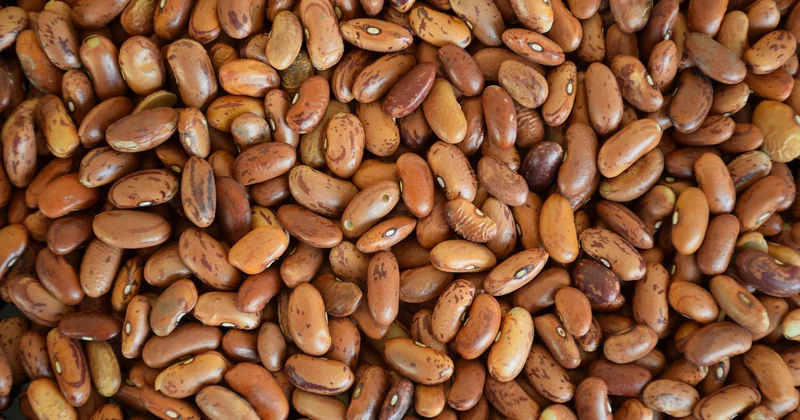
| Dried beans, chickpeas, lentils | Pressure cooker | No overnight soak needed; 25–40 minutes from dry |
| Beef short ribs, lamb shoulder, pork belly | Slow cooker | Gentle heat renders fat and concentrates sauce |
| Bone broth and stocks | Pressure cooker | Extracts collagen in about 90 minutes vs 12+ hours |
| Weeknight dinner after work | Pressure cooker | Time, plainly |
| Overnight porridge, pulled pork for a party | Slow cooker | Set it before bed or before leaving |
| Anything with a crust or browning | Neither, use a pan | Both are moist-heat only |
The honest trade-off
Pressure cookers are faster. That's not a small thing — it's the whole thing for a lot of people. On a Wednesday at 7pm with two hungry kids, a machine that turns dried black beans into dinner in half an hour is not a gadget, it's infrastructure.
But speed has a cost in flavour development. A pressure cooker traps everything, including the volatile compounds that would otherwise escape and concentrate. You get a brighter, more "separated" result. Slow cookers let moisture evaporate over hours, which is why the sauce thickens and the flavours marry.
My rule of thumb after years of this: pressure for speed and staples, slow for sauces and Sunday food.
What should not be cooked in a pressure cooker?
This question deserves a straight answer, because the failures are genuinely messy.
Anything that foams or expands can block the vent or the valve, which is how you get a starchy mess on your ceiling. That means:
- Lentils and split peas in quantity — they foam heavily. Use no more than a third of the pot, and add oil.
- Pasta and rice in large amounts, especially without enough liquid. Rice in particular absorbs everything and scorches.
- Milk, cream and thick creamy soups — dairy can curdle and scorch at pressure. Add it after release.
- Baking soda or anything that fizzes — obvious in hindsight, less obvious at 6pm.
- Large pieces of meat with the bone in if the bone is thin and cracked; fragments can jam the valve.
I learned the lentil lesson the hard way. Half a kilo of red lentils, a full pot, twenty minutes. The valve clogged, the safety lock engaged, and I spent forty-five minutes waiting for the thing to depressurise naturally while the kitchen smelled faintly of burned legumes. Nothing exploded. But my confidence did.
The general rule: never fill past the max line marked inside the pot, and always add water at the bottom. Dry heat under pressure is how appliances die.
What are the downsides of using a slow cooker?
The slow cooker's problems are quieter and more insidious than the pressure cooker's. Nobody panics about a slow cooker, which is exactly why people get careless with it.
Flavour dilution and texture
Because nothing evaporates, the liquid you put in is the liquid you get out. Most slow cooker recipes online wildly overstate the liquid needed for this reason. If you follow a recipe blindly, you get soup where you wanted stew.
Fix it by reducing the liquid by about a third from what a stovetop version would call for, and finishing the sauce in a pan afterwards. Which, yes, adds a step — and undermines the "throw it in and leave" promise a bit.
The power outage problem
Eight hours is a long time. If your power flickers at hour six, the machine stops, the pot sits at a warm temperature for two hours, and you have a genuinely unsafe pot of food. Bacteria in the danger zone between 5°C and 60°C is not something to shrug at. I threw out a full pork shoulder once for exactly this reason and I'm still slightly bitter about it.
Browning matters more than you think
Both machines are moist-heat cooking. Neither produces a Maillard crust. Every recipe worth its salt tells you to sear the meat first, in a pan. Skip that step and you get a pale, one-note result that no amount of time will rescue.
Which one costs less to run?
Counter-intuitively, the slow cooker usually wins on electricity — but by less than you'd expect.
A slow cooker draws roughly 150–250 watts, and cycles its element on and off for most of the cooking time. Eight hours at an average of maybe 100 watts works out to under a kilowatt-hour. At typical household electricity prices, that's pennies.
A pressure cooker draws far more — often 900–1000 watts — but only for 30–45 minutes. Total consumption is comparable, sometimes a touch higher, sometimes lower. The difference in your bill is genuinely trivial.
So don't buy either for the energy savings. Buy for the time. That's the real currency.
So what should you actually buy?
If you can only own one and you cook dried legumes, stews, rice and stocks regularly: get an electric pressure cooker. It's the more versatile machine, and it will save you a genuinely absurd amount of time. I'd argue this is the right first purchase for most households.
If you work long shifts, want dinner ready when you walk in, and mostly cook braises and chillies: the slow cooker is your machine. The convenience is real and no amount of pressure-cooker speed replicates that specific feeling of coming home to a finished meal.
My honest answer after all this: I'd keep both, and I know that's a cop-out. But if I had to give one away tomorrow, the pressure cooker would be the one I'd fight to keep — because it does in half an hour what the slow cooker needs all day for, and there are only so many days.
The appliance you use is the one that fits the life you actually live. Not the one with the better reviews, and certainly not the one that promises to change everything. Just the one whose limitations you can live with.